Wednesday, 26 October 2011


Thursday, 23 June 2011


Sunday, 23 January 2011
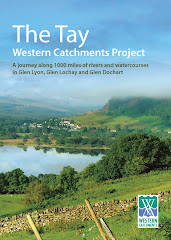
TWCP Report now on sale

Above is article in the Scotsman yesterday.
Friday, 21 January 2011
TWCP Discover the Source of the Tay

We discovered the Source of the Tay n 2008....papers are just catching up with us today.http://www.bbc.co.uk/news/uk-scotland-tayside-central-12243508
Tuesday, 18 January 2011
On the telly.......

Unfortunately, our main story, devolving responsibility for certain river management functions to a new organization in this area, got a bit lost on the day.
We will be bringing this out in the papers a bit in the next few days though.
Well done to all concerned for a very enjoyable morning, and to STV for the great job they did.
This photo was taken by our Committee member Jock Monteith.
TDSFB member and Taymount owner Will Lindsay was first up for interview.


New Tay biologist, Rob Mitchell does his bit


David Marsland


Back in Aberfeldy........
Friday, 31 December 2010
Looking forward to 2011

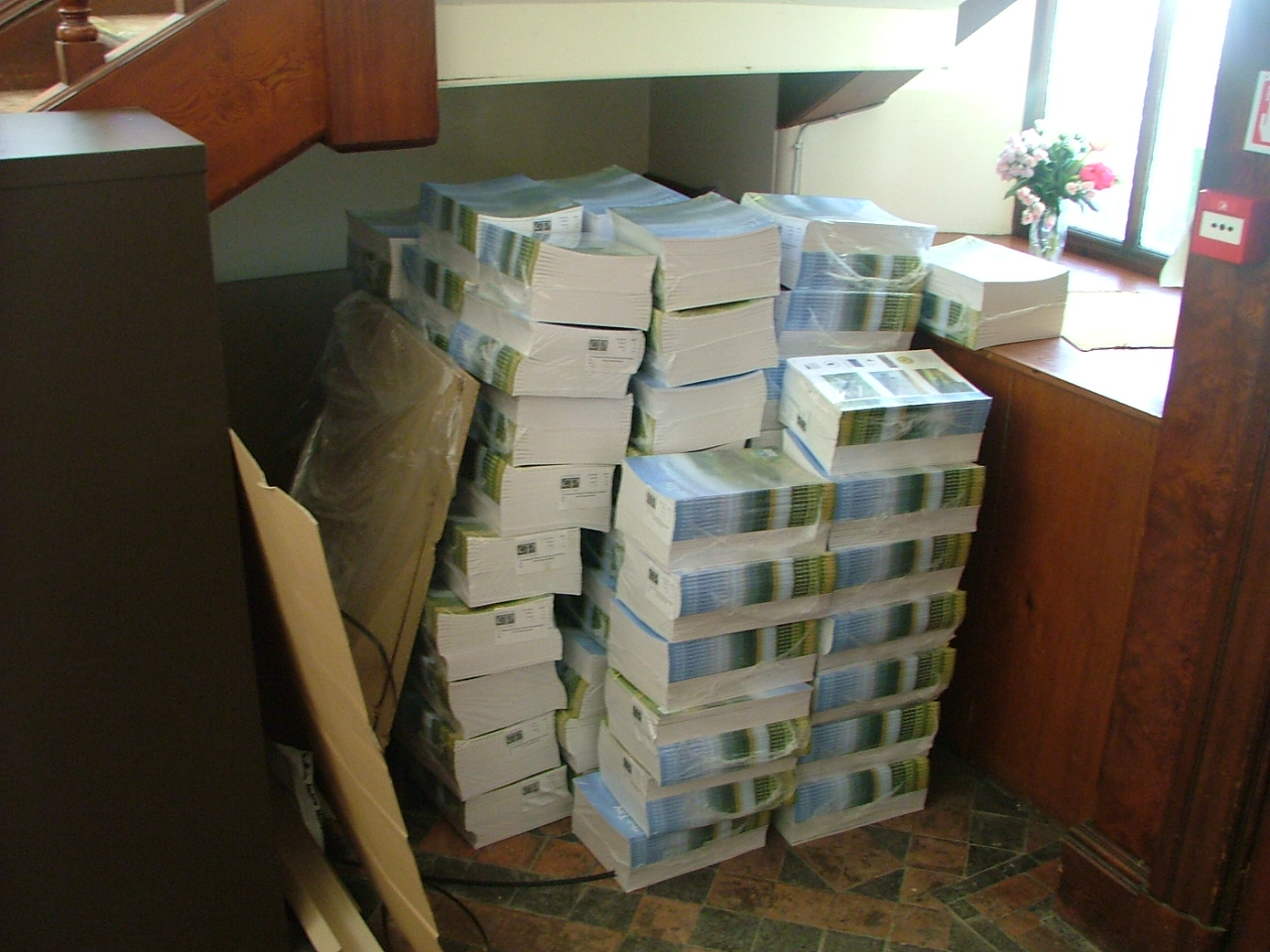
We yesterday received a very welcome donation that will allow us to print another 2000 copies of our TWCP survey report, which we can now distribute to a wider audience to get our key messages across. Hard copies of the report will be available for £7.50 plus P & P if required. A free low resolution version can be downloaded by linking here: http://www.scottishnativewoods.org.uk/index.asp?lm=60 and scrolling down to TWCP Final Report pdf.
Details of outlets and means of ordering will be available in a few weeks when we have worked out the details.
At the TDSFB AGM on 7th December, it was agreed that many of the functions relating to river management would be devolved to new organization based in this area, provisionally to be called the "Tay Western Catchments Partnership". We will have publicity going out in mid January to co-incide with the opening of the new salmon season on the Tay.
So, after a few quiet months on here, we are now ready to go and looking forward to 2011.
Happy New Year to one and all.
The Salmon Life Cycle

The TWCP survey was focused on improving the riparian environment for fish. This excellent ilustration of the salmon life cycle has been produced for the Atlantic Salmon Trust by Robin Ade.
Friday, 24 September 2010
TWCP Report launch

We launched our TWCP report in Killin on Wed past, and although te crowd was a bit small, we had a number of key players there, and it was a great occasion. We will do some sort of PR in due course. Here are copies of report on my desk, ready to go out next week, as soon as I have a covering letter OK-ed.
More specific feedback in due course.
Being caught up in speeches etc on the day, I have no photos of actual event itself.

Monday, 20 September 2010
Duneaves Bridge

Another photo from Kristina Hayward. This bridge crosses the Lyon immediately below Fortingall.
Monday, 6 September 2010

Saturday, 14 August 2010
Giant Hogweed on the upper Tay

Here is some giant hogweed found by Kristina Hayward just below Aberfeldy, with the only previous record of the species found on a side tributary above the town. As their name suggests, "invasive species" spread quickly. There has also been a record this summer up in Killin, on some soil brought in to a brown-field site in the town. Himalayam balsam also seems to have spread greatly this summer.
We have been frustrated in recent years trying to get some funding to deal with these invasive species. Funders wont fund this because they expect the Scottish Rural Development Programme to do so. They wont fund it unless every landowner within an area enters a seperate contract. This is expensive....so they dont. Result is that what was a minor problem is now rowing.
Saturday, 7 August 2010
Upper Lochay yesterday

Despite the drought conditions earlier this summer, there is still a decent flow in the upper river at present, more than there usually is under abstracted conditions.


Lochay Power Station
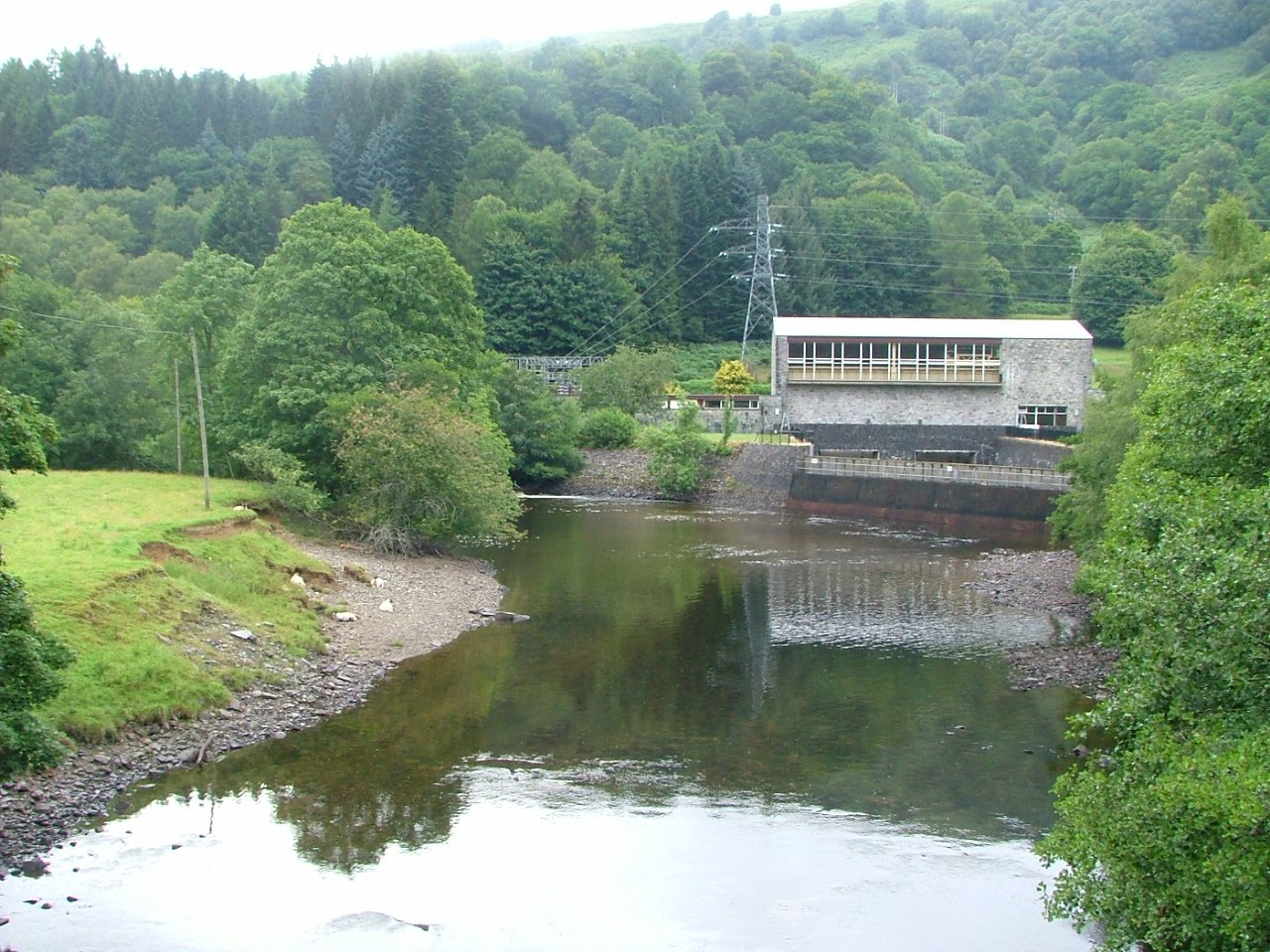
The Lochay power station is shut down for refurbishment at the moment. There is no water being extracted from the upper catchment, and no compensation flow coming back through the pipes from Glen Lyon either, hence the low water levels in the bottom part of the river. Part of the Drumchroisk basin is extracted towards Ben Lawers, but other than that, this is more or less a natural flow in the Lochay under dry conditions. Interestingly however, even with the very dry summer, in the upper river where the best juvenile habitat is, there is still a much greater area of gravel covered by water than there would be in most normal years when water was getting abstracted.
Saturday, 31 July 2010

Saturday, 3 July 2010
What the Lochay could look like......

This was the Lochay two days ago after some rain overnight. Normally the Lochay here is only 6-10 ft wide, with water no deeper than your ankles, even in a relatively wet summer. This year, there is no water abstraction in the upper glen while repair works are carried out to the hydro infra structure. What you see here therefore represents a natural flow in the Lochay, albeit after some rain (after a prolonged drought period).
It is just the upper Lochay that is up at the moment. The lower river is very low (no water from Glen Lyon being added, and Loch Lyon )below) is about as low as it has ever been. It will take more than a night's rain to fill it up again.

Friday, 2 July 2010

Low water levels at Loch Lyon

Loch Lyon is probably as low as it has ever been at present, with very little rainfall having fallen during 2010 to date.


VIDEO- Loch Lyon at record low levels
This was Loch Lyon yesterday...the gulls calling made it all the more eerie and still.
Friday, 18 June 2010

Friday, 11 June 2010
Final report taking shape

This is the front cover of TWCP final report. We have agreed the text of the main report, and are currently organizing a strategy for launching later in summer. Getting the timing right is going to be tricky, but we are meeting again on 1st July to finalize a plan.
Saturday, 5 June 2010
The Upper Lochay- natural drought flow

The Lochay is not going to be abstracted this summer because of maintenance to the pipelines. Therefore, we will see a natural flow down the river for the first time in many, many years. Unfortunately, the current drought means that the river is still very low. Although it is hard to make a proper judgement, it would appear that the lower river is well down on usual levels (no water coming back from Glenlyon) but the upper river appears to be fuller, despite the side burns being almost dry.
It will be really interesting to keep an eye on things this summer.
The Innisraineach Burn Unplugged

The current shut- down provides an excellent opportunity to see some of these watercourses when they are not being abstracted.This watercourse runs down beside the pipeline to Glenlyon. Normally this would be full of water, overflowing down the grid in to the pipe. The sluice gate has been lifted and all the water (not very much because of the dry weather) is going down the main burn.


How it works......

When the sluice gate is down, the water dams up and goes down the grill in to the pipe leading to Glenlyon. The grill keeps out floating debris. Sediment sinks to the bottom.
Simple but devastatingly effective.
VIDEO- Further down the burn.......
This is the water at the bottom end of the burn, just as it enters the Lochay.
This is interesting.........

We were here in 2008 on a TDSFB visit, when the river at this point was no more than 6 ft wide and most of the stones here under water were sitting dry. It would appear that even in drought conditions, there is more water in the UPPER Lochay than when it is being abstracted.

Subscribe to:
Posts (Atom)